

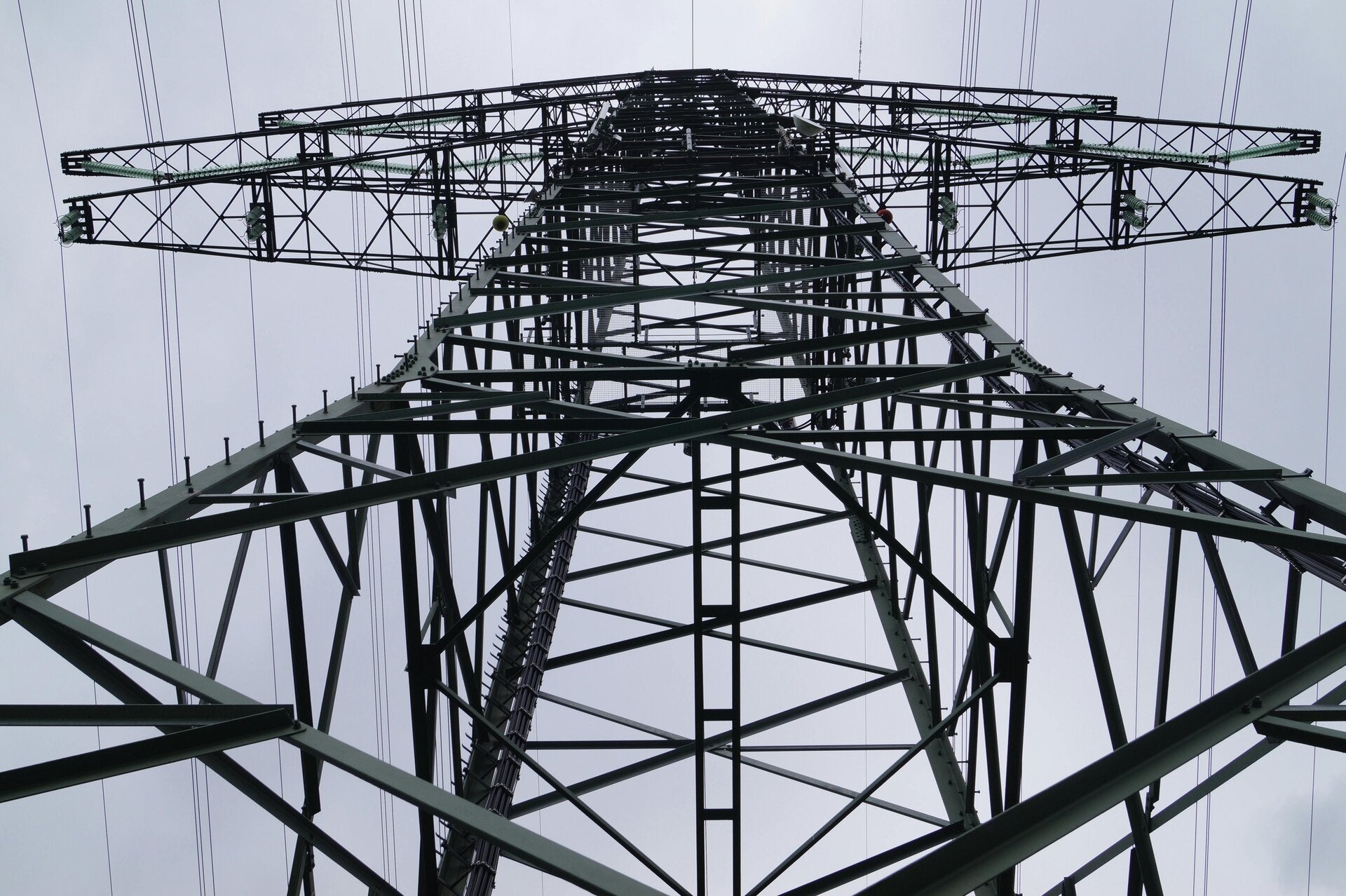
A 'Black Sky' event refers to a severe and widespread failure of critical national infrastructure, most notably the national electricity grid. If a major disruption knocks out power, it could potentially cascade into simultaneous disruptions to other vital services, such as water supplies, mobile communications, mobile communications, banking systems, and transport networks. Although a cyberattack could trigger such an emergency, extreme weather or other damage to electricity networks could have similar consequences. The possibility of a Black Sky scenario has attracted attention in recent headlines, prompting discussions about national resilience, even though there is currently no official indication that such an event is imminent. In response to these risks, the UK Government's 'Be Ready' campaign urges households to prepare for potential disruptions by keeping a minimum of three days' worth of essential supplies at home. This includes bottled drinking water, non-perishable food, a battery-powered or wind-up radio for news updates, and other practical items like torches and first aid supplies. Alongside household readiness, broadcasters are also creating plans to maintain essential communications. The BBC has developed contingency arrangements, known as its own Black Sky plan, to ensure it can keep broadcasting pre-arranged government advice for at least 72 hours during a prolonged outage, even if normal internet and mobile networks fail. This involves staff operating a specially prepared emergency radio studio equipped with secure lines of communication and backup fuel and water supplies to support continued transmissions. Ultimately, these preparations emphasize that while a catastrophic grid failure is viewed as an extreme risk rather than an imminent threat, sensible household readiness and strategic emergency planning remain essential for managing modern society's dependence on critical infrastructure.
Add comment
Comments